Could You Be Breathing “Better”?
Most people don’t think about their breath unless something feels off. In our society, the message is often to do more and push harder. We focus on movement, strength, and flexibility because we can see it and measure it.
But underneath all of that is something far more foundational that isn’t quite as sexy - how you’re breathing.
It’s not necessarily about breathing deeper but it’s about how functional your breathing actually is. If your breathing mechanics are off, everything built on top of that is compromised.
The Part Everyone Misses
When people try to “breathe better,” they usually do one of two things. They try to take bigger breaths and they try to force themselves into a state of relaxation. But neither of these actually address the actual issue. The problem is usually mechanical and it’s often linked to the diaphragm just not doing it’s job well.
What the Diaphragm Is Supposed to Do
The diaphragm is your primary breathing muscle.
When it’s working properly:
The breath expands through the lower ribs (not just the chest)
The breath expands the thorax in all directions - front to back, side to side, up and down
The lungs fully ventilate, especially in the lower lobes
There’s a natural rhythm between inhale and exhale
The nervous system has a stable, regulated baseline - this is huge and often overlooked and undervalued in todays wide world of wellness.
When it’s not:
Breathing becomes shallow and chest dominant
The expansion happens on the exhale and not as it should on the inhale
The ribcage gets stiff
The neck and shoulders start doing work they shouldn’t be doing
You feel either wired, fatigued, or both
Most people are operating here and don’t realize it.
Why This Matters Right Now (Spring Time)
In early spring (what Ayurveda refers to as Kapha season), the body tends to hold more heaviness and congestion especially in the lungs.
That shows up as:
Mucus buildup
Sluggish energy
A sense of weight in the chest
If your breathing is already shallow, this compounds the issue. The lower lungs where effective gas exchange happens don’t get used well. So things sit and stagnate in the chest.
What Functional Breathing Actually Looks Like
We aren’t looking for a huge, exaggerated belly breath. Functional breath (or optimal diaphragmatic breathing) is quieter and more precise:
The ribcage expands side to side and back, not just from the front of the body
The diaphragm descends without force
The exhale is complete, not rushed
The neck and shoulders stay relaxed
It’s efficient. And most people have lost access to it. Chronic stress, physical tension and postural imbalances all play a huge roll.
Positions That Restore the Breath
You don’t fix this by thinking harder about breathing or muscling through it. You fix it by changing the position of the body so the breath can reorganize.
Crocodile Pose (Prone Breathing)
Lying on your stomach gives you immediate feedback. If the breath can’t move into the back body, you’ll feel it. This is one of the most direct ways to retrain the diaphragm.
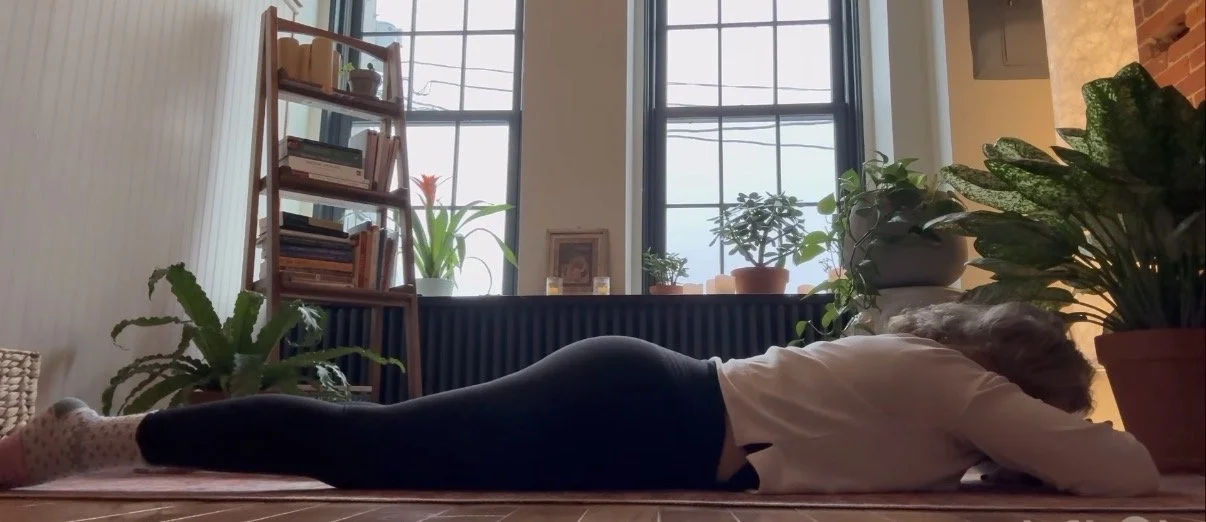
Crocodile Pose
Supported Bridge Pose
Elevating the pelvis changes the pressure dynamics of the abdomen and chest. It gives the diaphragm more room to move and the lungs more space to expand without effort. Slide a block or a cushion under the hips to support yourself in bridge pose.
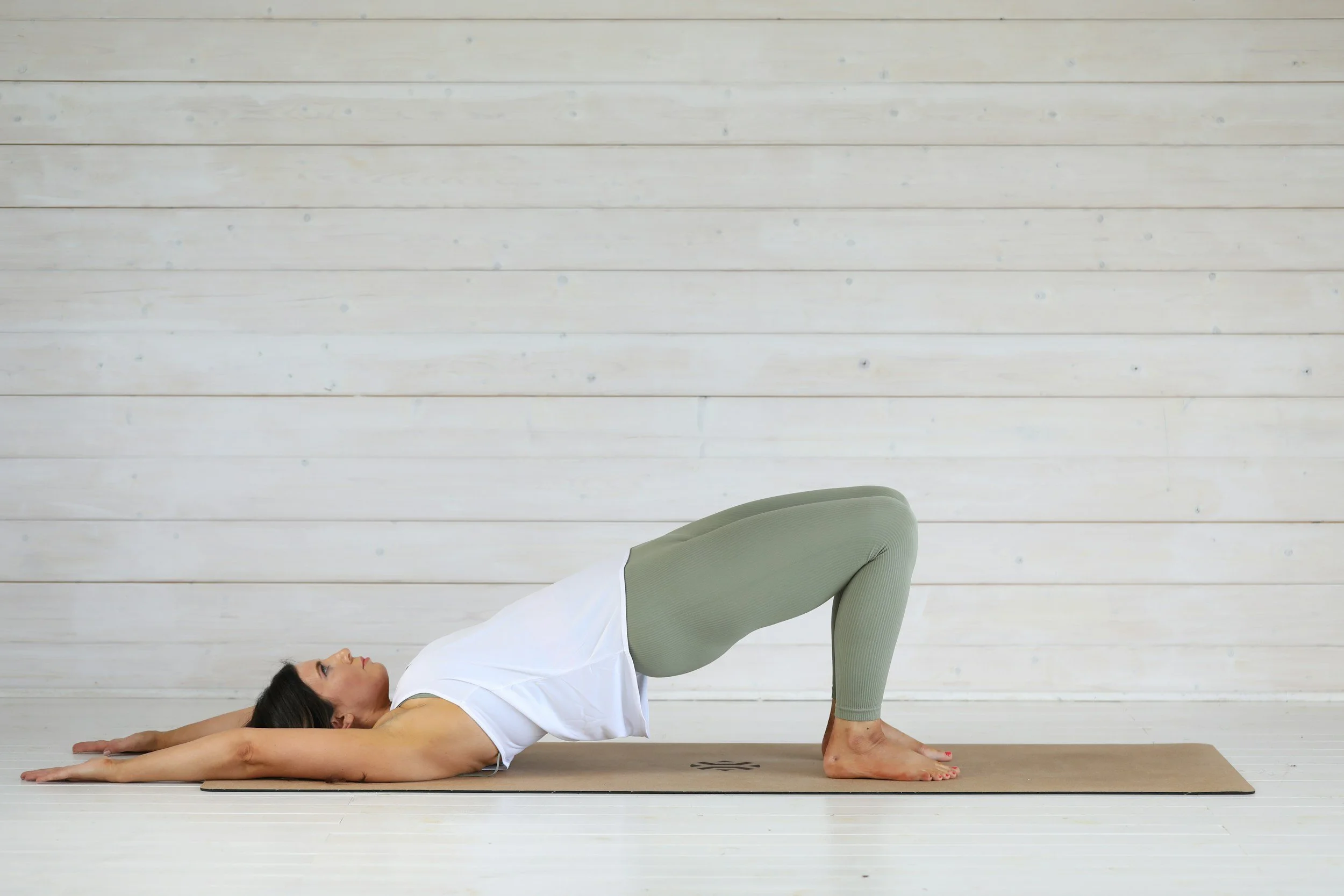
Bridge Pose
Gentle Twists
If the ribcage is rigid, the diaphragm can’t move well. Twists restore mobility so the breath has somewhere to go.
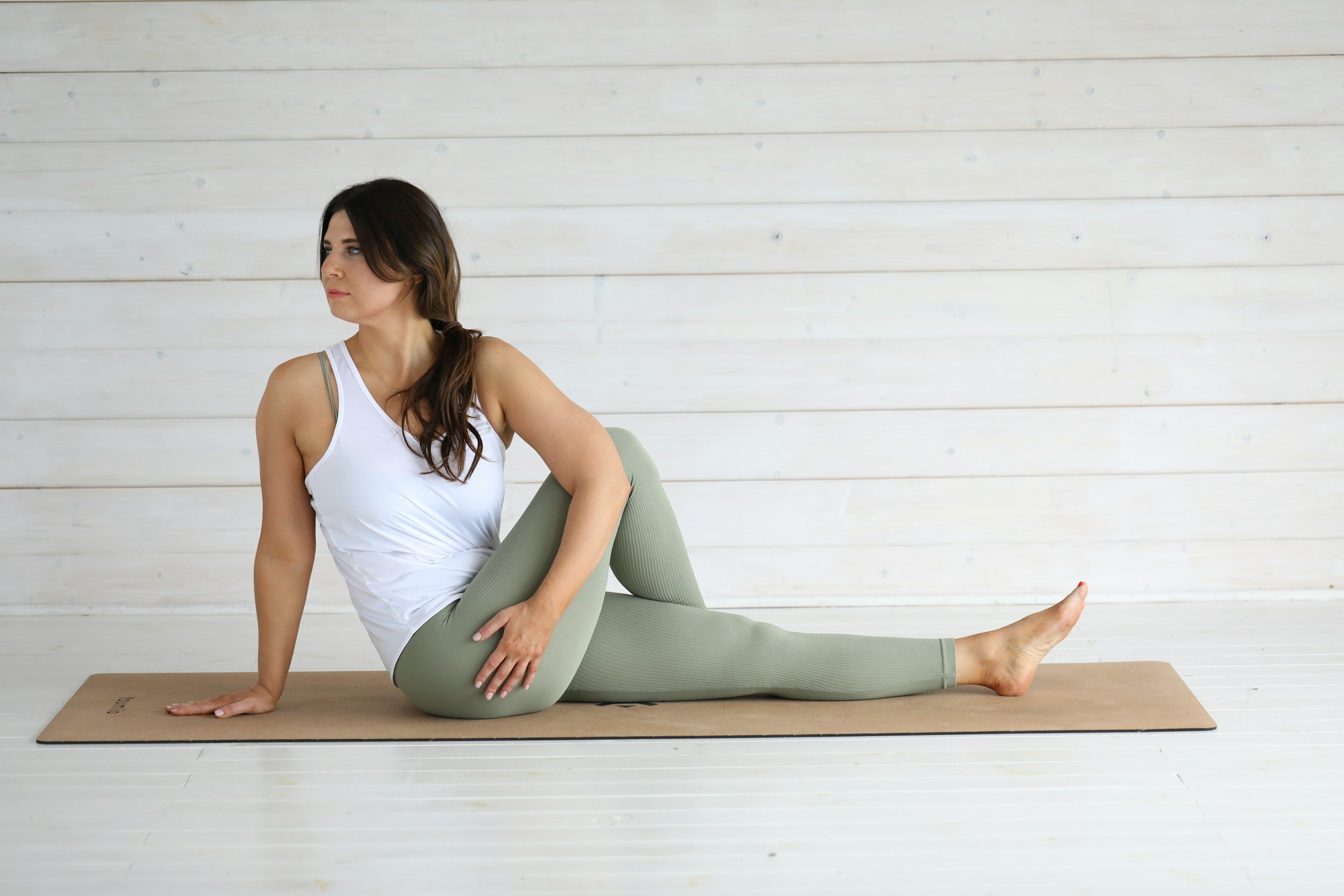
Seated Twist
Camel Pose
Opens the front body and counteracts the collapsed posture most people live in. Better positioning leads to better breathing mechanics.
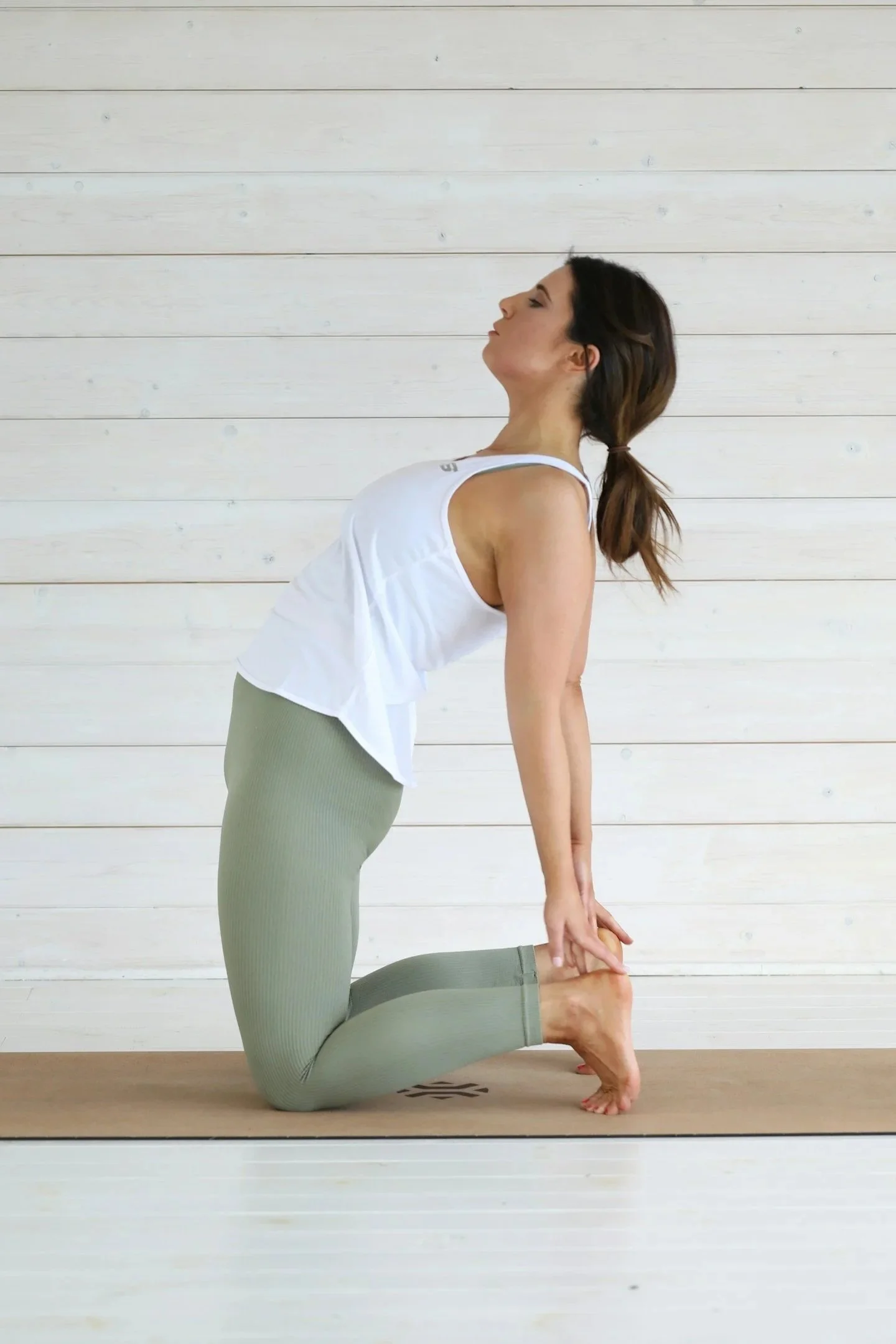
Camel Pose
This Is the Shift
Most people try to layer better habits on top of poor breathing by doing more exercise, more stretching, and more relaxation. These are all incredibly important things but if the breath isn’t functional, those changes don’t land the way they should and can even exacerbate current conditions. This is why the all of our classes at Sanctuary build on the foundation of functional, efficient, diaphragmatic breathing.
Think about this not as doing more but correcting something fundamental because when the diaphragm starts doing its job:
The lungs clear more effectively
Circulation improves
The nervous system stabilizes
Energy becomes more consistent
Not from pushing harder but from allowing the system to work in the way it’s designed.